
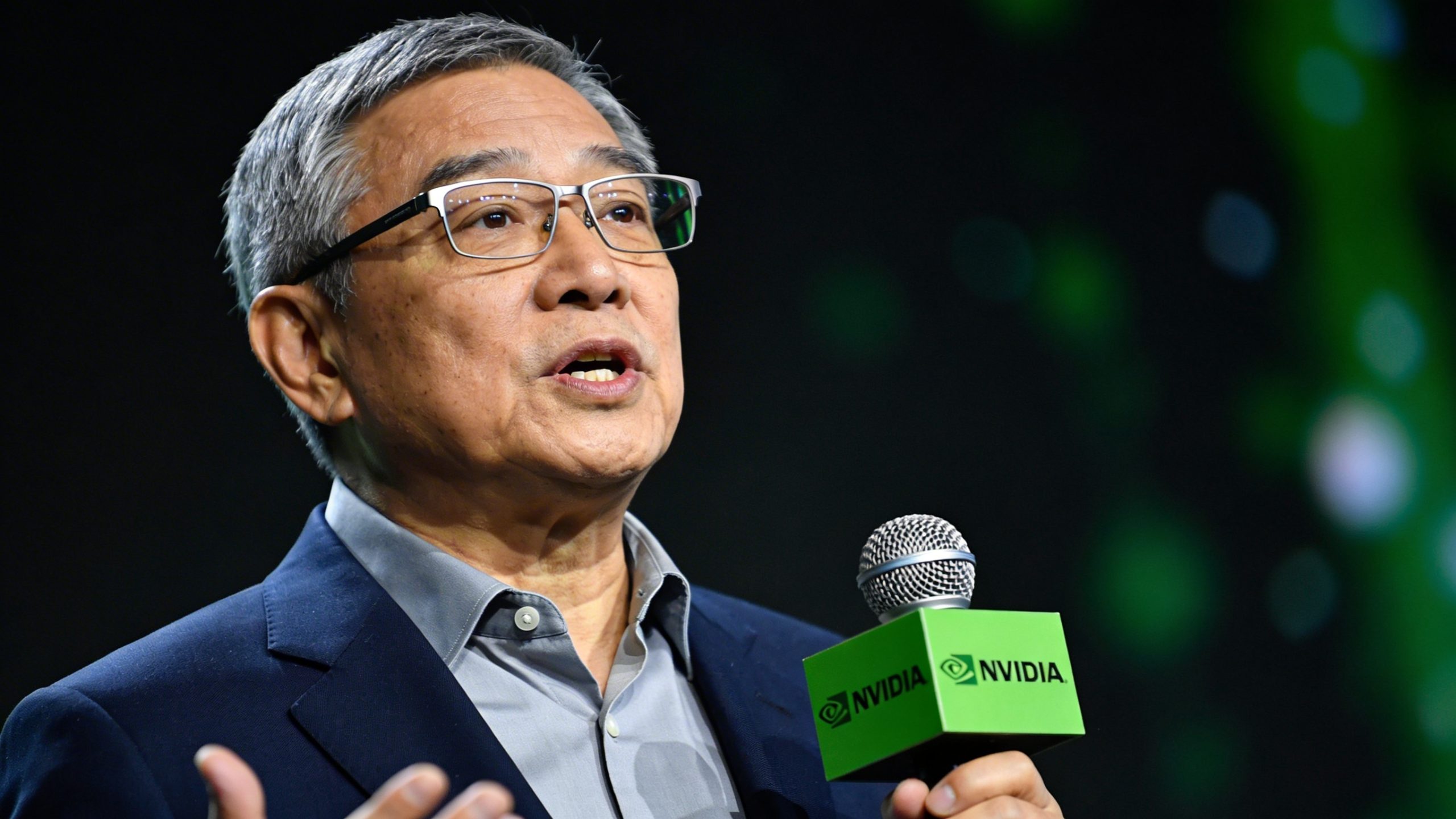
Jensen Huang, Chief Executive Officer of US-based chip giant Nvidia, recently shared details about his distinct management approach. He leads a large team of over 60 direct reports, primarily overseeing engineers specialized in crucial areas like CPUs, GPUs, algorithms, and design.
Managing a Large Technical Team
Nvidia CEO Jensen Huang manages an unusually large number of direct reports. This structure differs from typical corporate hierarchies, where executives often have a smaller team reporting directly. His focus remains sharply on the technical core of the company’s operations.
He explained that his direct team comprises experts in various engineering fields. These include central processing units (CPUs), graphics processing units (GPUs), complex algorithms, and chip design. These areas are fundamental to Nvidia’s success and innovation in the semiconductor industry.
Huang’s Leadership Philosophy
Huang’s management style emphasizes deep technical engagement rather than pure administrative oversight. He is known for his hands-on involvement in product development and technical problem-solving. This approach aligns with Nvidia’s identity as an engineering-driven company at the forefront of AI and accelerated computing.
His philosophy allows him to stay directly connected with critical projects and innovations across the company. He relies on the expertise of his direct reports to drive specific technical advancements. This unique model helps maintain agility and speed in a rapidly evolving technology landscape.
Nvidia’s Rise in Global Tech
Nvidia has transformed from a graphics card manufacturer to a leader in artificial intelligence and high-performance computing. Its chips power data centers, AI research, and various advanced technologies worldwide. This evolution required a leadership style that could adapt to immense technical complexity and rapid market changes.
The company’s growth has been fueled by constant innovation in chip architecture and software platforms. Huang’s close involvement with his engineering teams is a key factor. It ensures that strategic decisions are deeply informed by technical realities and future possibilities in fields like AI and machine learning.
Strategic Relevance for India’s Tech Sector
Jensen Huang’s management insights hold significant relevance for India‘s booming technology sector. India is investing heavily in digital infrastructure, AI development, and its own semiconductor ecosystem. Understanding how a global tech leader manages innovation can guide Indian firms.
Nvidia’s technology is critical for AI adoption and data center expansion in India. Many Indian startups and established IT companies use Nvidia’s GPUs for their AI initiatives, from healthcare to financial services. As India aims to become a global hub for electronics manufacturing and design, learning from specialized, technically-focused leadership models becomes vital for cultivating talent and driving economic growth.
The Future of Tech Leadership
The model demonstrated by Jensen Huang highlights the importance of technical acumen at the very top of technology companies. As industries become more specialized, leaders need deep understanding of core technologies to navigate complex challenges and opportunities. This approach could inspire future leaders in India’s technology landscape.
The global demand for high-performance computing and AI capabilities continues to surge. Huang’s management method ensures that Nvidia remains at the cutting edge. It reflects a trend where technical expertise increasingly defines effective leadership in innovation-driven sectors.
Outlook for Nvidia’s Leadership
Huang’s continued leadership will shape Nvidia’s strategy in the fiercely competitive semiconductor and AI markets. His unique management style offers valuable lessons on fostering innovation and maintaining technical leadership in a rapidly advancing global technology industry. This approach will likely continue to evolve with the company’s growth and market demands.