Luxury vehicle maker **Jaguar Land Rover (JLR)**, owned by India’s Tata Motors, is implementing significant strategic changes. These adjustments aim to boost operational efficiency and brand focus, following a notable cyberattack in **June 2023** that impacted JLR’s business operations.
The revised strategy includes giving financial responsibility to each distinct brand within JLR. It also elevates procurement to the company’s board level, aiming to enhance accountability and streamline decision-making processes.
JLR’s Cyberattack: Impact and Response
JLR experienced a significant cyberattack in June 2023. This incident disrupted parts of its IT systems and operations, leading to challenges in customer order processing and production schedules.
The company confirmed that customer data was accessed during the breach. While specific financial figures for the attack’s full impact are not always disclosed, such incidents often incur substantial costs for investigation, remediation, and strengthening security infrastructure. JLR has since focused on recovery and fortifying its cyber defences.
Emphasis on Faster Execution and Agility
Company leadership is now stressing the need for faster execution across all operations. Senior executives, including Tata Motors Group Chief Financial Officer **P.B. Balaji**, are driving this initiative. The goal is to make JLR more agile and responsive to market changes.
This push for speed spans product development, supply chain management, and overall business processes. The new structure, with brands taking financial ownership, is designed to support quicker decisions. Elevating procurement also aims to create more efficient and resilient supply lines.
The House of Brands Vision
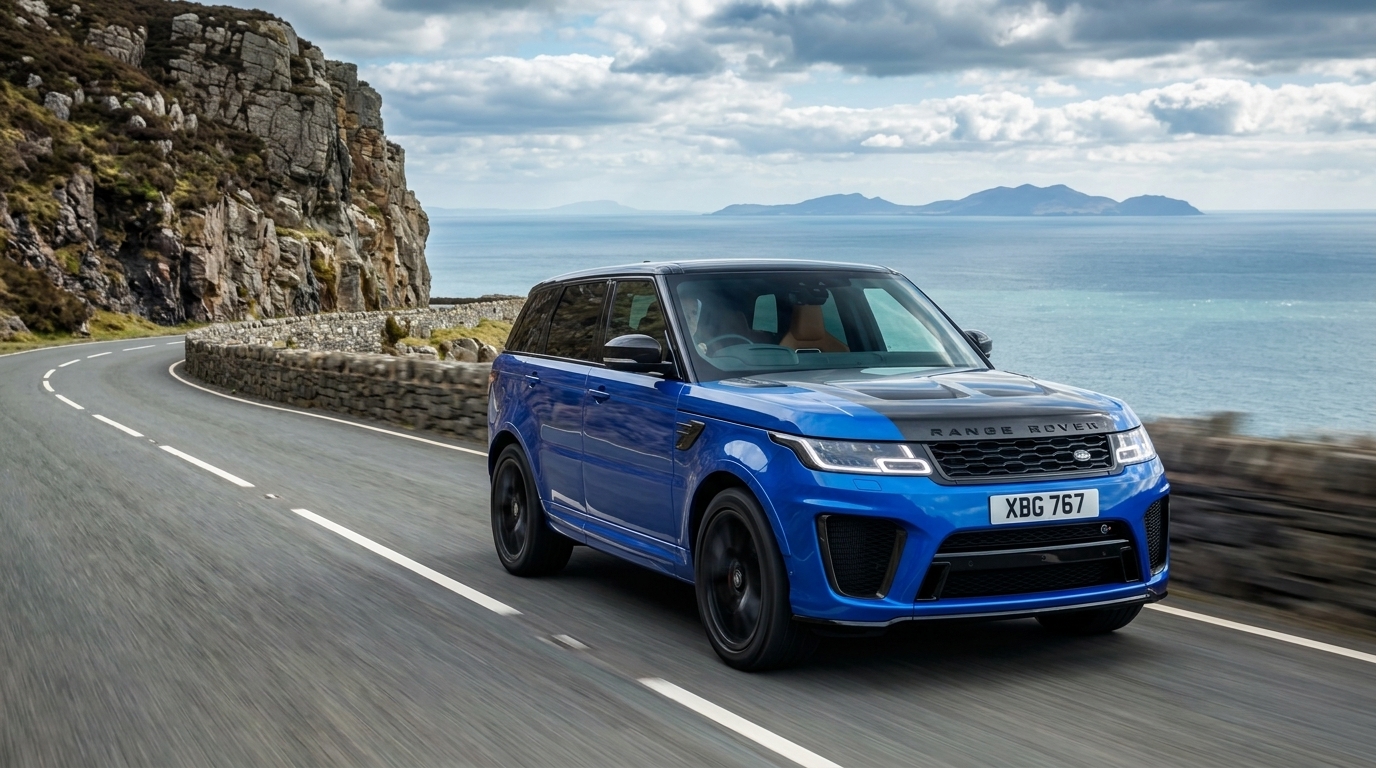
The strategic shift builds on JLR’s existing ‘**Reimagine**’ strategy, launched in **2021**. A core part of this is the ‘**House of Brands**’ approach, which aims to give distinct identities to JLR’s four main brands: Range Rover, Defender, Discovery, and Jaguar.
By treating each brand as a separate business unit, JLR expects clearer financial results and improved brand-specific strategies. This allows for tailored development and marketing, ensuring each brand can focus on its unique customer base and market position.
Significance for India and Tata Motors
These strategic adjustments at JLR hold substantial importance for India. JLR is a wholly-owned subsidiary of Tata Motors, one of India’s largest conglomerates. JLR’s performance directly impacts Tata Motors’ overall financial health and global standing.
A stronger, more resilient JLR means better financial returns for its Indian parent company. This can support investments in Tata Motors’ other ventures, including its electric vehicle push in India. The emphasis on cybersecurity also highlights a crucial lesson for Indian companies operating globally: building robust digital defences is key to protecting operations and customer trust.
Furthermore, JLR’s success influences India’s global trade relations and manufacturing reputation. The company procures components from various global suppliers, including some from India. A streamlined procurement process could offer new opportunities for Indian vendors, contributing to India’s goal of strengthening its position in global supply chains.
Outlook for JLR’s Future Operations
JLR continues to adapt its business model in a fast-changing automotive landscape. The company’s focus remains on enhancing operational resilience, strengthening its brand portfolio, and driving efficiency. These efforts are crucial for navigating future challenges, including technological shifts and evolving consumer demands.
The strategic changes, particularly around financial accountability and procurement, are expected to foster a more integrated and responsive organisation. JLR aims to ensure sustained growth and profitability in the competitive luxury vehicle market, benefiting its global operations and its Indian parent company.