The smartphone accessory market in India is currently experiencing robust growth, driven by increasing smartphone penetration and the continuous launch of new device models. Consumers are actively seeking accessories for protection, enhanced functionality, and personal expression for their mobile phones.
Market Growth and Demand Drivers
India is one of the world’s largest and fastest-growing smartphone markets. This rapid adoption directly boosts the demand for various accessories, as each new smartphone model, from budget-friendly to premium, creates a fresh wave of accessory purchases.
Factors such as longer smartphone usage, a desire for device longevity, and an increasing focus on digital lifestyles contribute to this market expansion. Experts estimate the Indian mobile accessories market to be a multi-billion dollar industry, valued at tens of thousands of crores annually.
Key Accessory Categories
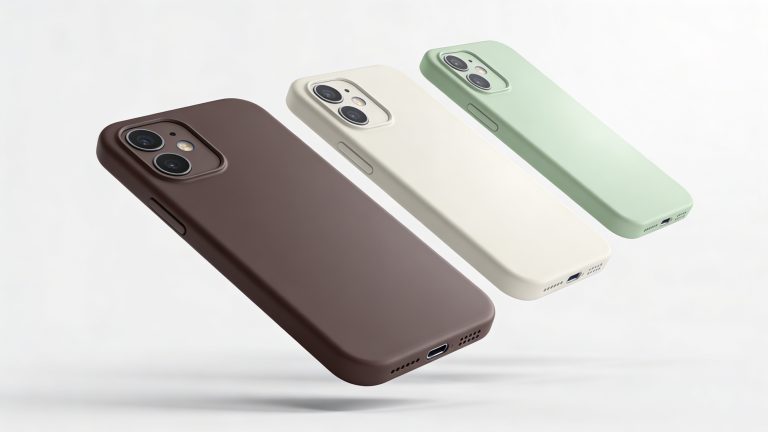
Several types of accessories have become indispensable for smartphone owners. Protective cases and screen guards are among the top sellers, offering vital defense against accidental drops and scratches. Consumers often invest in high-quality protection to safeguard their valuable devices.
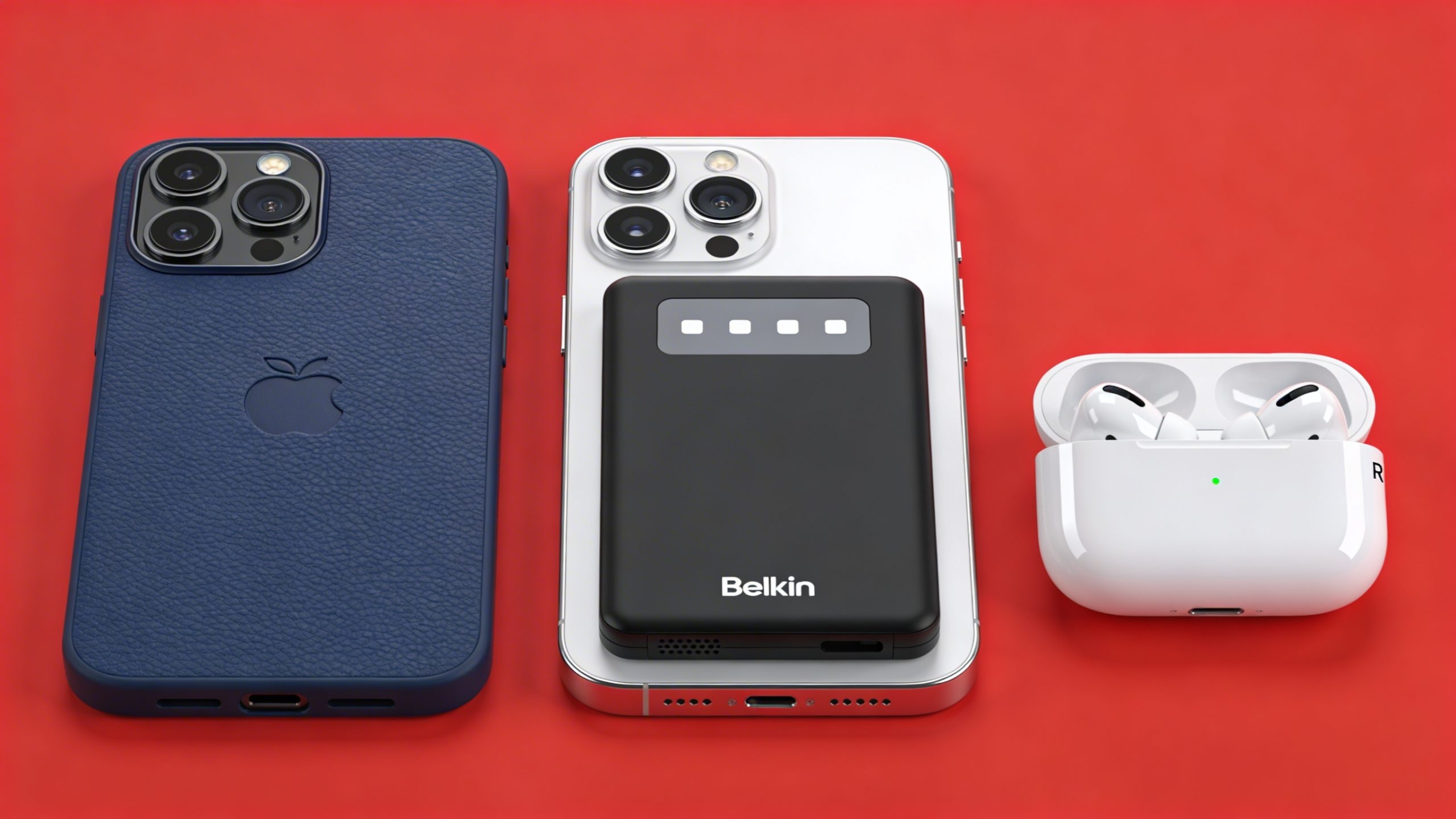
Power solutions represent another critical category, including fast chargers, wireless charging pads, and power banks. These are essential for keeping devices charged on the go. As smartphone battery capacities and charging technologies evolve, so does the demand for compatible and efficient charging accessories.
Audio accessories, such as wireless earbuds and headphones, also form a significant market segment. They enhance the user experience for music, calls, and media consumption. Other popular items include car mounts, photography lenses, and device cleaners, catering to diverse consumer needs.
India-Specific Market Dynamics
The Indian market for smartphone accessories is characterized by its vast consumer base and diverse preferences. Affordability plays a crucial role, with many local brands offering competitive products. However, strong demand also exists for premium branded accessories, especially among users of high-end smartphones.
The Make in India initiative has led to an increase in local manufacturing of accessories, boosting domestic production and creating employment opportunities. E-commerce platforms are pivotal in reaching consumers across urban and rural areas, making a wide range of accessories easily accessible.
Technological Innovations and Future Trends
The accessory market continuously innovates alongside smartphone technology. Advances in materials lead to more durable and lightweight protective gear. Charging solutions are becoming faster and more integrated, with technologies like magnetic attachment systems gaining traction.
Sustainable and eco-friendly accessories are an emerging trend, with consumers showing interest in products made from recycled materials. The integration of smart features into accessories, offering enhanced functionality beyond basic protection, also points towards future market direction. These innovations ensure the accessory market remains dynamic with each new generation of smartphones.
Policy Impact and Consumer Focus
Recent policy changes, such as the push for universal charging standards like USB-C, are significantly impacting the accessory landscape. This standardization aims to reduce electronic waste and offer greater convenience to consumers. Accessory manufacturers must adapt to these evolving regulations.
Consumer awareness regarding product quality and safety is also growing. Certifications from bodies like the Bureau of Indian Standards (BIS) are becoming important indicators of reliability. Buyers are increasingly cautious about counterfeit products, opting for verified and trusted brands to ensure performance and device safety.
Market Outlook
The smartphone accessory market in India is set for continued expansion. Driven by evolving smartphone technology, changing consumer lifestyles, and strategic manufacturing initiatives, its importance will only grow. Accessory makers will need to focus on innovation, quality, and sustainability to meet future demand.