
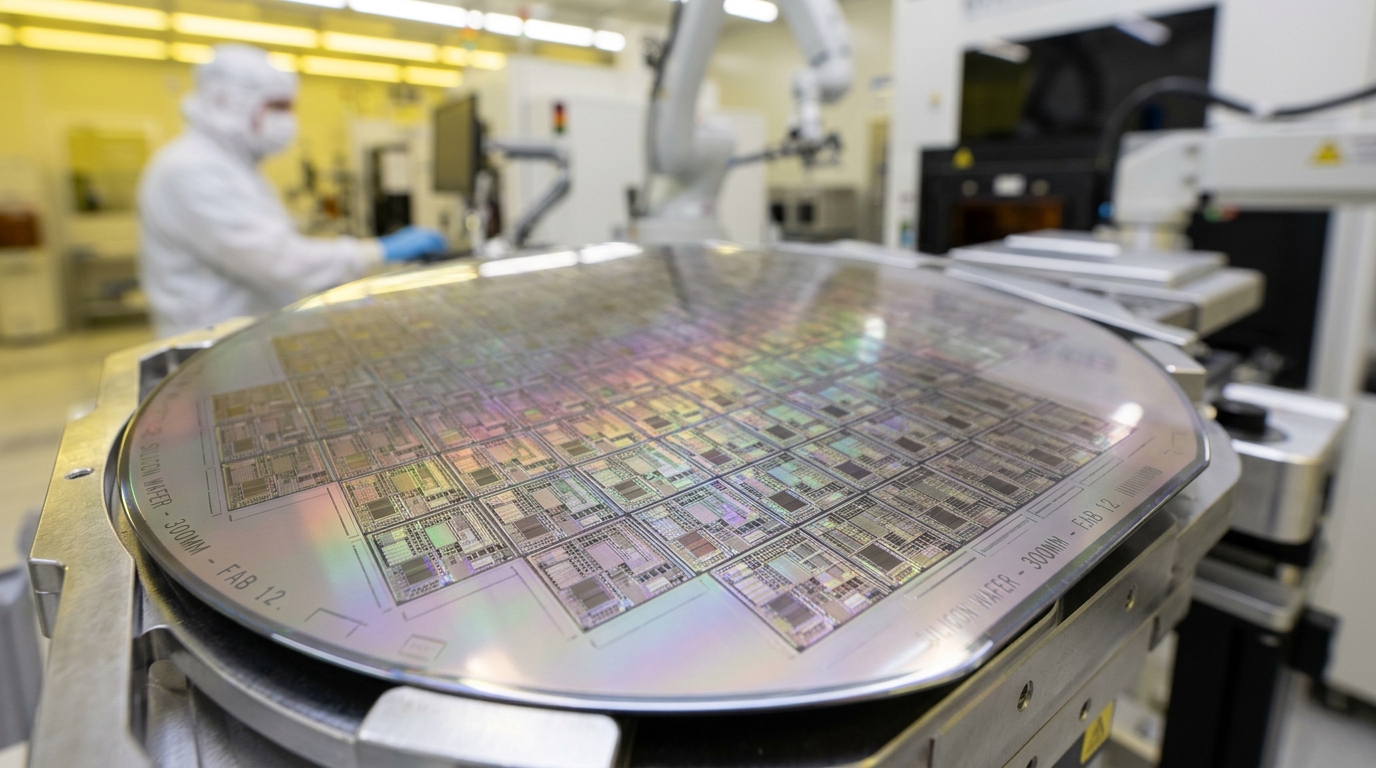
India’s semiconductor market is projected for significant expansion, aiming to reach USD 300 billion by 2035. This growth is driven by increasing demand across various technology segments and strong government initiatives within the country.
India’s Semiconductor Growth Projections
Industry reports highlight a robust growth trajectory for India’s semiconductor market. The anticipated surge reflects rising domestic consumption and a push for indigenous manufacturing, positioning India as a key player in the global semiconductor landscape.
The current market size for semiconductors in India is substantially smaller. This target underscores a rapid expected expansion, indicating a strategic shift towards reducing reliance on imports for critical electronic components.
Key Growth Drivers
Several sectors are fueling this growth in semiconductor demand. Artificial Intelligence (AI) adoption is a primary driver, as AI systems require powerful processors and memory chips. The expansion of data centers and cloud computing also adds to this demand.
The automotive industry is another significant factor. Modern vehicles integrate advanced electronics for safety, entertainment, and autonomous driving features, boosting the need for a wide range of semiconductors. Additionally, the proliferation of 5G technology, Internet of Things (IoT) devices, and consumer electronics contributes to market expansion.
Government Initiatives and Support
The Indian government has launched multiple schemes to foster domestic semiconductor manufacturing. The India Semiconductor Mission (ISM) is a flagship program, offering financial incentives to companies setting up fabrication units (fabs), Assembly Testing Marking and Packaging (ATMP) facilities, and design centers.
The Production Linked Incentive (PLI) scheme for large-scale electronics manufacturing also supports the ecosystem. These policies aim to attract global players and encourage local investments, with the goal of building a robust semiconductor ecosystem from design to manufacturing and packaging within India.
India’s Strategic Push for Self-Reliance
Developing a strong semiconductor industry holds immense strategic importance for India. It can significantly reduce import dependency for critical components, enhancing national security and economic resilience. This also aligns with the broader Make in India initiative.
Localizing semiconductor production can create numerous high-skilled jobs across the country. It will also foster technological innovation and attract further foreign direct investment. This push aims to transform India from a consumer of semiconductor technology into a producer and exporter.
Several major global companies have already committed investments. For instance, Micron Technology is establishing an ATMP facility in Gujarat. This signifies growing confidence in India’s semiconductor potential, and more such investments are anticipated as policies evolve and infrastructure develops.
Future Outlook
The coming years will be crucial for India’s semiconductor ambitions. Continued policy support, timely execution of projects, and development of a skilled workforce will be vital. The industry expects to see more proposals for fab units and packaging facilities in different regions.
The government plans to continue engaging with global semiconductor firms and research institutions. This collaboration is essential for technology transfer and capacity building. India aims to carve out a significant share in the global semiconductor supply chain, moving towards its USD 300 billion target by 2035.