
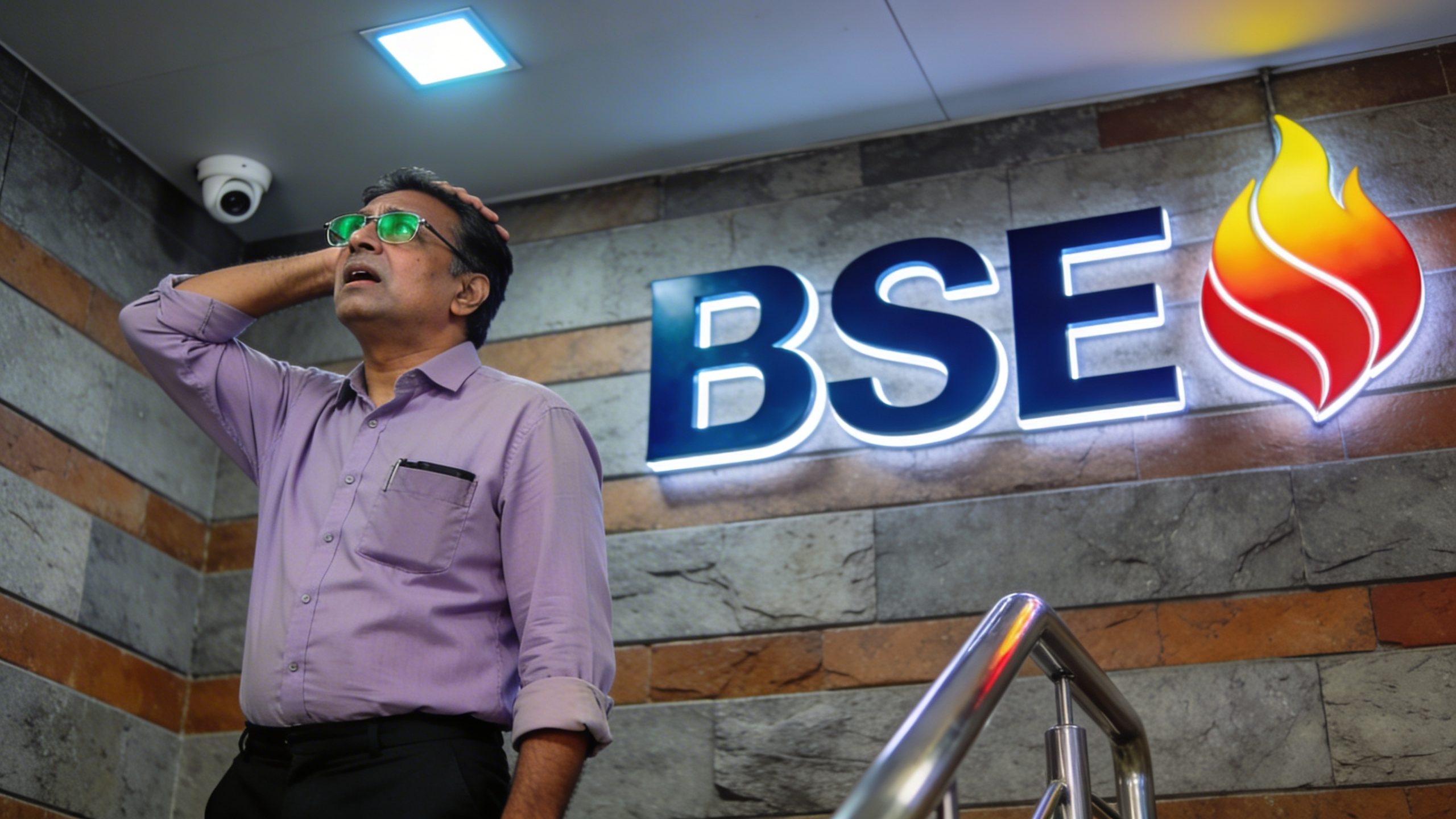
India’s main stock exchanges, the National Stock Exchange (NSE) and the Bombay Stock Exchange (BSE), will observe trading holidays on two specific days in early 2026. Markets will remain closed on March 31, 2026, for Mahavir Jayanti, and on April 3, 2026, for Good Friday. These closures are part of the yearly calendar of non-trading days.
Key Trading Holidays Announced for Early 2026
During these scheduled holidays, trading will be suspended across all segments, including equity, equity derivatives, and currency derivatives. Investors will therefore be unable to buy or sell shares, futures, or options on these dates.
Specific Dates and Observances
Indian equity and derivative markets will not operate for a full day on Tuesday, March 31, 2026. This closure is in observance of Mahavir Jayanti, an important festival for the Jain community.
Trading will also be suspended on Friday, April 3, 2026. This date marks Good Friday, a significant day of religious observance for Christians worldwide. Both these holidays result in a complete non-trading day for investors across India.
Overview of 2026 Market Holiday Calendar
For the calendar year 2026, Indian stock markets have a total of 16 scheduled holidays. These non-trading days are spread throughout the year, reflecting various national and regional festivals recognized by the government.
Beyond the equity and equity derivatives segments, other major financial exchanges in India also announce their specific holiday schedules. The Multi Commodity Exchange (MCX) and National Commodities and Derivatives Exchange (NCDEX), crucial for commodity trading, release their own lists.
These lists specify full or partial trading holidays, sometimes allowing evening sessions for certain commodities. Such market closures are vital for participants to know, as they affect trading in instruments like shares, futures, and options.
Both major stock exchanges, NSE and BSE, publish their detailed calendars well in advance. This allows market participants, including brokers, mutual funds, and individual investors, to plan their activities effectively.
Economic Impact and Global Context
Scheduled market closures due to holidays generally have a limited direct economic impact. Trading volumes and liquidity are simply paused for the day and usually resume with normal activity on the next business day.
Market participants, including institutional investors and foreign portfolio investors, factor these predetermined holidays into their annual investment strategies. This proactive planning minimizes disruption from non-trading days.
India’s diverse cultural and religious landscape leads to a relatively higher number of stock market holidays compared to some financial centers in Western countries. This pattern reflects the nation’s rich heritage and respect for various community traditions, ensuring market operations align with national observance.
While domestic trading in Indian equities and derivatives halts, Indian investors with access to international trading platforms can still engage in global markets that remain open. However, any direct transaction involving Indian securities is suspended until the market reopens.
These breaks are routine and do not typically deter long-term investment or foreign capital flows into the country. The total number of trading days in a year remains robust, typically around 250-255 days, allowing ample opportunity for market activity.
These structured breaks are a standard practice in financial systems worldwide, ensuring operational alignment with public holidays. They contribute to a well-regulated and predictable market environment.
Guidance for Investors and Traders
Investors and traders must plan their market activities carefully around these scheduled non-trading days. Any pending orders or new investment decisions might need to be adjusted to account for the closure period.
The settlement cycle for trades executed just before a holiday can also be impacted. For instance, if a trade typically settles in two days (T+2), a holiday might extend this period. This is crucial for managing cash flows and portfolio liquidity.
Financial institutions, including mutual fund houses, banks, and brokerage firms, also adjust their operations. Net Asset Value (NAV) calculations for mutual funds, for example, are usually processed on the next business day following a market holiday.
This can affect how investments or redemptions are valued. It is important for both retail and institutional investors to regularly consult the official holiday calendars published by NSE, BSE, MCX, and NCDEX.
Staying informed helps in mitigating any potential disruptions and making timely, informed investment decisions throughout the year. As part of the annual financial calendar, Indian stock markets observe several holidays.
Investors should remain informed about these non-trading days for seamless financial planning. The exchanges will resume normal operations on the next working day following each holiday.