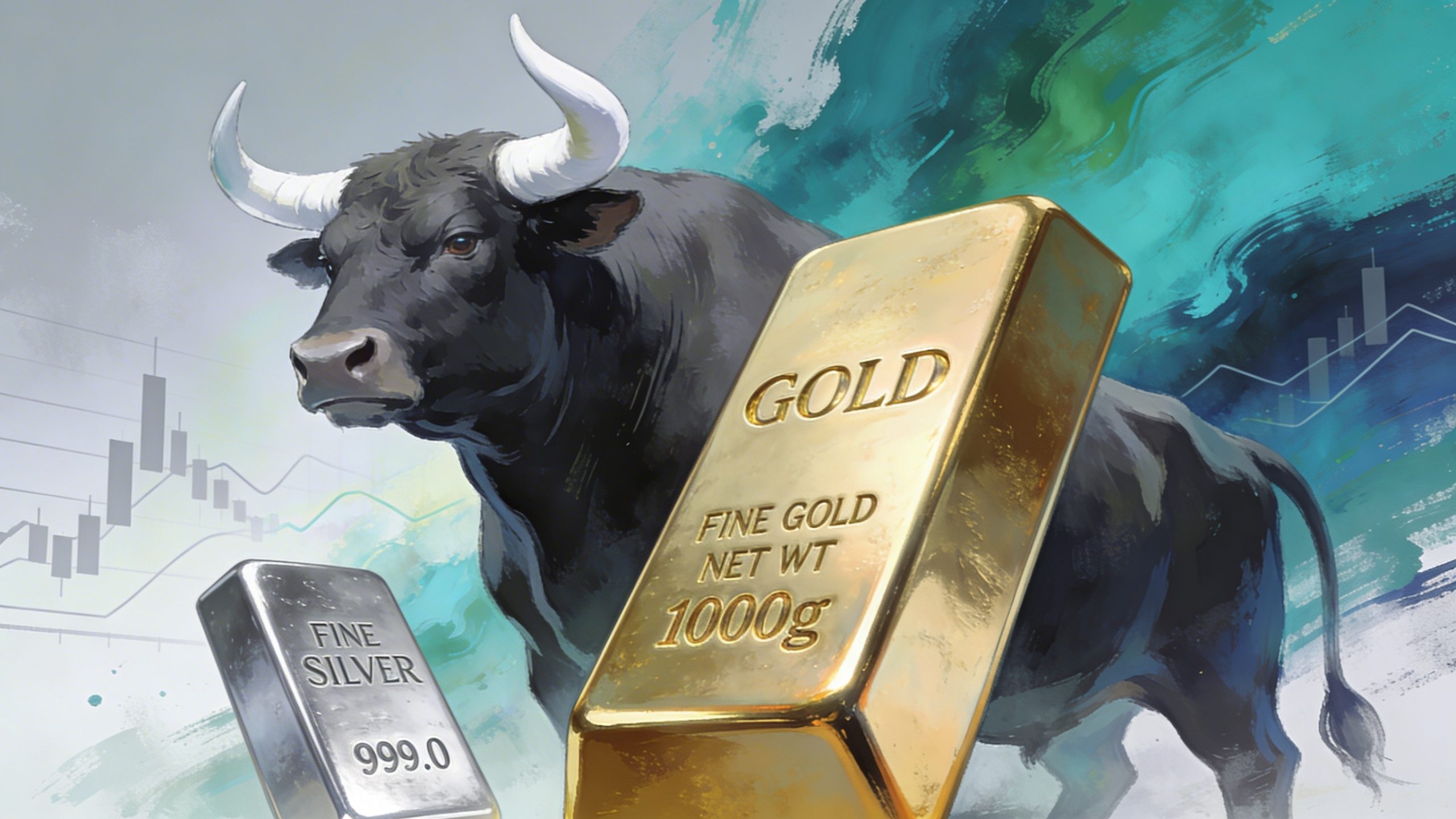
Recently, gold and silver prices experienced a notable rebound in global markets. This upward movement followed a period of decline and occurred as the US dollar weakened against other major currencies, sparking fresh buying interest among traders. Market participants now view precious metals as more attractive after a period of lower valuations, though the short-term outlook remains subject to global economic signals.
Factors Behind the Recent Price Rebound
A primary reason for gold’s recent gain was the weakening of the US dollar. Gold, typically priced in dollars, becomes cheaper for international buyers when the dollar’s value falls. This often boosts demand for the precious metal.
Buying activity increased significantly after gold prices had dipped. Many investors view gold as a safe-haven asset, especially during times of economic uncertainty. They often step in to buy when prices fall, anticipating future gains or seeking protection against inflation.
While the recent rebound showed strength, experts suggest the immediate future for gold and silver could still be volatile. Global economic data and central bank statements will continue to shape market sentiment.
Global Economic Context and Dollar’s Influence
The strength or weakness of the US dollar is a critical factor for global gold prices. The dollar’s movement is often linked to expectations about the US Federal Reserve’s monetary policy. When the Fed is expected to raise interest rates, the dollar usually strengthens, making gold less appealing.
Conversely, if expectations for rate hikes ease, or if the global economic outlook becomes uncertain, the dollar might weaken. This scenario typically supports gold prices. Gold does not pay interest, so it competes with interest-bearing assets like government bonds.
Inflation concerns also play a role. Gold is traditionally seen as a hedge against rising prices. If inflation remains high or is expected to accelerate, investor demand for gold often increases.
Why Gold Matters for India
India is one of the world’s largest consumers of gold. Gold holds immense cultural and religious significance, especially during festivals and weddings. It is also a popular investment asset for Indian households, serving as a store of wealth.
Changes in international gold prices, combined with the Rupee-Dollar exchange rate, directly affect local gold rates in India. A stronger dollar or higher global gold prices mean more expensive gold for Indian buyers. This can impact consumer spending and import costs.
India imports a substantial amount of gold each year. Significant price increases can widen the country’s current account deficit. This makes the movement of gold and silver prices an important economic indicator for the Indian economy and its trade balance.
What Happens Next: Market Outlook
The future path for gold and silver prices will depend on several global economic indicators. Key among these are inflation reports from major economies, particularly the United States. Decisions by central banks regarding interest rates will also be closely watched.
Geopolitical developments continue to influence safe-haven demand for precious metals. Any increase in global instability could lead investors to seek the perceived safety of gold. Conversely, improving global economic stability might reduce this demand.
Market participants will also monitor global equity markets and the overall sentiment around risk assets. If stock markets face headwinds, some capital might shift into gold, supporting its price.
The precious metals market remains dynamic, with prices reacting to a complex interplay of currency movements, economic data, and investor sentiment. While a recent rebound offered some relief, the outlook suggests continued volatility as global conditions evolve.