International health authorities recently issued a significant alert for individuals planning trips to tropical and subtropical regions worldwide. This warning comes amid a documented increase in mosquito-borne illnesses across many parts of the globe, urging travelers to take extra precautions during the upcoming peak travel season.
Global Health Advisory Issued
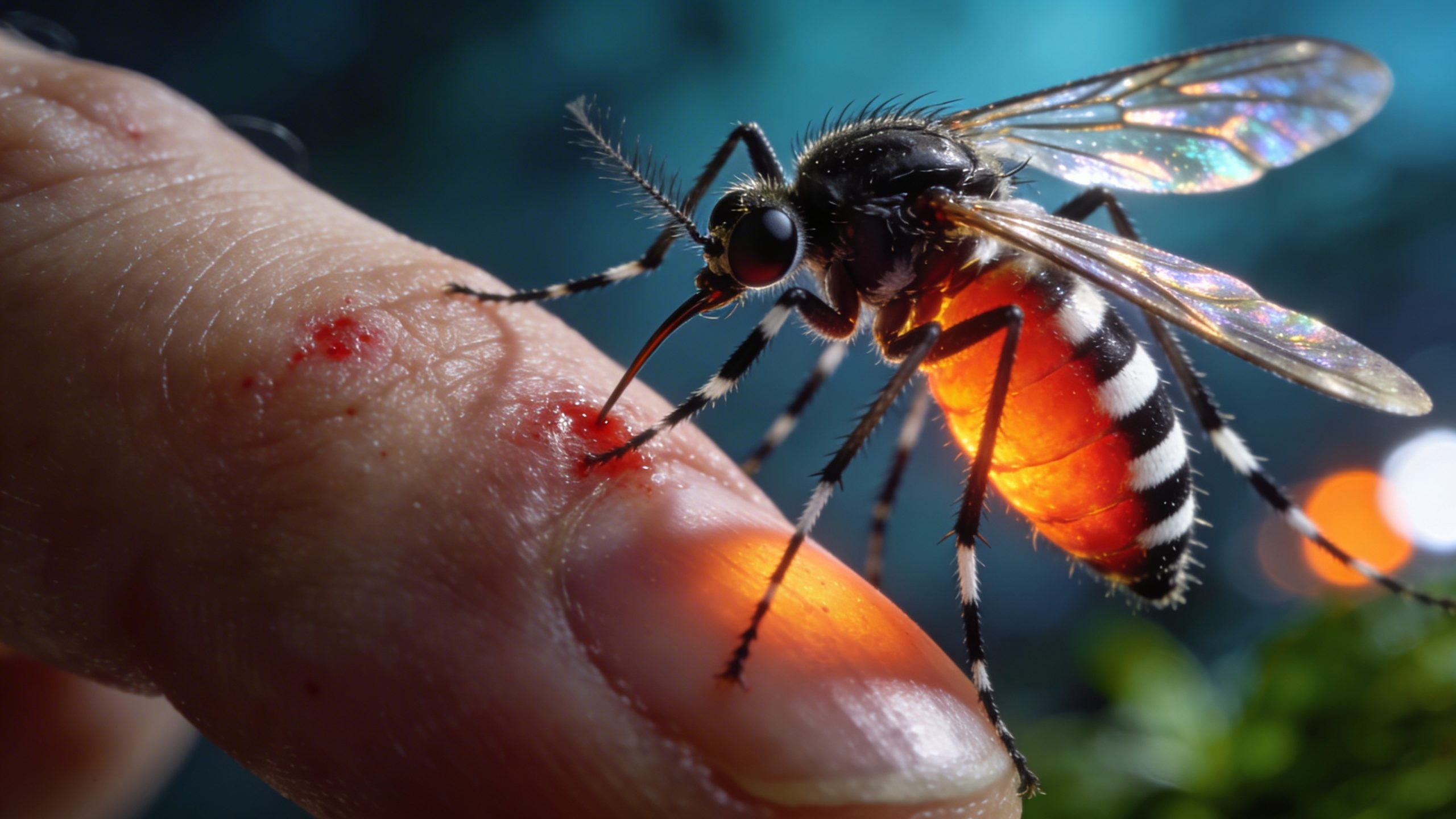
The health advisory highlights the growing risk of contracting diseases spread by mosquitoes, which can cause severe illness. These diseases also significantly impact public health systems in affected areas. The global travel community is urged to stay informed about regional health situations before embarking on journeys.
Key Mosquito-borne Diseases and Affected Regions
The primary diseases of concern include dengue fever, chikungunya, and malaria. Dengue, in particular, has seen a record rise in reported cases in various countries. Its symptoms can range from a mild fever to severe, life-threatening conditions.
Chikungunya also presents with fever and severe joint pain, which can be debilitating. Malaria, a persistent threat in many parts of the world, continues to cause serious illness and death. These diseases are prevalent in regions across Latin America, Southeast Asia, parts of Africa, and the Pacific Islands.
Increased global temperatures and altered weather patterns are thought to contribute to the wider spread of mosquito populations. This environmental shift allows disease-carrying mosquitoes to thrive in new areas. Urbanization and increased human mobility also play roles in the rapid transmission of these pathogens.
Essential Precautions for Travelers
Travelers to high-risk areas must adopt robust preventive measures against mosquito bites. The use of insect repellents containing DEET, picaridin, or IR3535 is strongly recommended. Applying repellent to exposed skin offers a vital layer of protection.
Wearing long-sleeved shirts and long trousers, especially during dawn and dusk, can reduce skin exposure, as these are peak biting times. Sleeping under insecticide-treated mosquito nets is crucial in accommodations without air conditioning or screened windows.
Ensuring that lodging has intact window and door screens also helps prevent mosquitoes from entering living spaces. Travelers should also empty any standing water containers near their accommodation. Mosquitoes breed in stagnant water, and removing these sites can reduce local mosquito populations.
India’s Focus on Mosquito-borne Disease Management
India, being a tropical country, faces a significant burden from diseases like dengue, chikungunya, and malaria. Every year, various states report thousands of cases, especially during the monsoon season. The country has established robust public health programs to control vector-borne diseases domestically.
This global warning holds particular relevance for Indian citizens traveling abroad. Many Indians visit tropical destinations in Southeast Asia, the Middle East, and Africa for tourism, business, or pilgrimages. They must be aware of the heightened risks in these regions and follow all health advisories.
The economic impact of mosquito-borne diseases on India is substantial, affecting healthcare infrastructure and leading to increased patient loads and costs. Tourism, both inbound and outbound, can also be affected by health alerts. Indian authorities monitor global health situations to issue appropriate domestic and international travel guidance.
Staying Vigilant Post-Travel
Health authorities worldwide will continue to monitor the spread of mosquito-borne diseases. Updated travel advisories and prevention guidelines will be issued as the situation evolves. Travelers should check the latest information from reputable health organizations before their journeys.
Upon returning from affected regions, travelers must be attentive to any symptoms of illness. If fever, headache, joint pain, or rash develop, seeking immediate medical attention is essential. Informing healthcare providers about recent travel history will aid in accurate diagnosis and timely treatment.
The collective effort of individuals taking preventive steps and health systems providing timely information remains crucial. This approach helps to mitigate the global spread of these tropical illnesses and protect public health.