
Understanding Brain Health
Maintaining sharp memory and cognitive function is crucial for daily life and long-term well-being across all ages, particularly for individuals in India. While cognitive decline is a natural part of aging, experts emphasize regular mental exercises and healthy lifestyle choices to support overall brain health.
The Nature of Memory and Cognitive Function
Memory is the brain’s ability to store and retrieve information. It is essential for learning, problem-solving, and interacting with the world around us. Different types of memory exist, including short-term, long-term, and working memory, each playing a vital role in our daily activities.
Several factors can influence memory performance. These include age, sleep quality, diet, stress levels, and physical activity. Understanding these factors helps individuals adopt a holistic approach to cognitive well-being.
Effective Strategies for a Sharper Mind
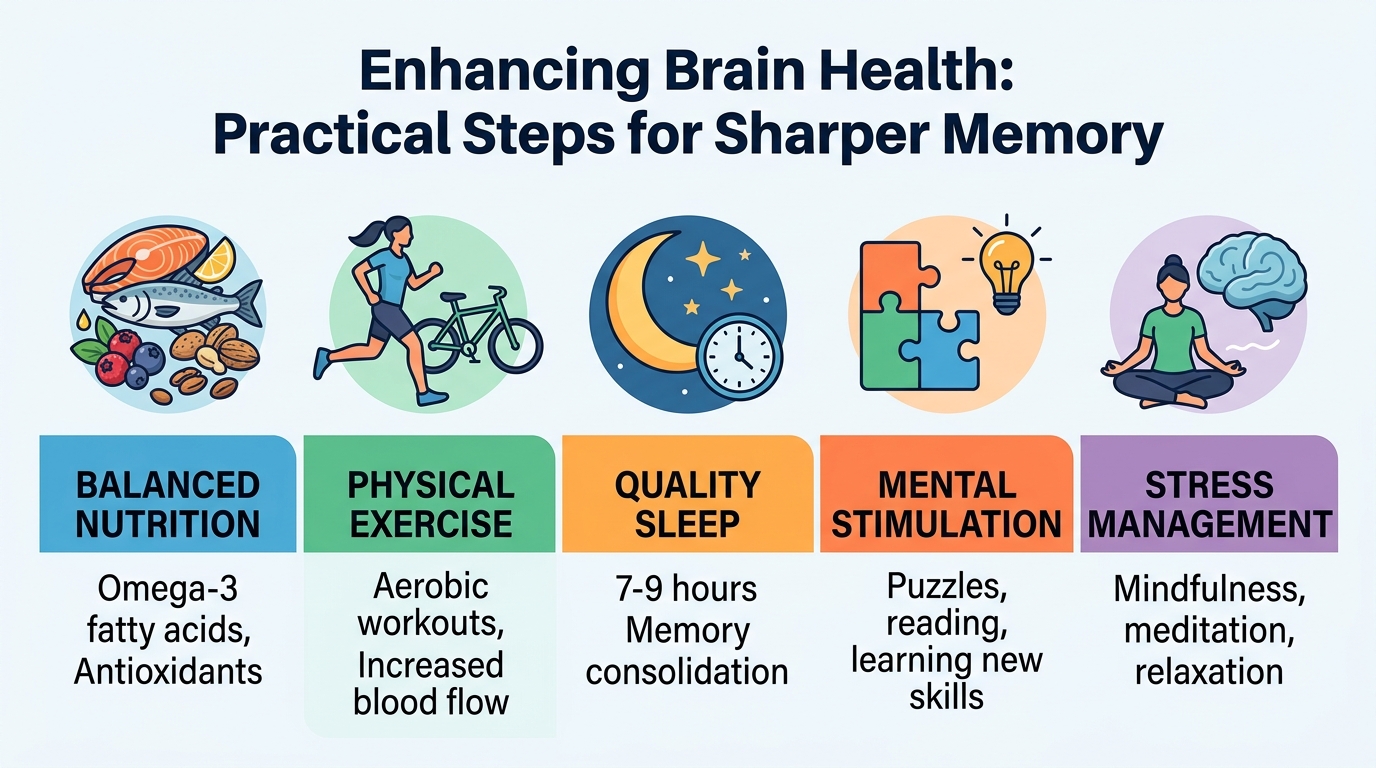
Engaging in specific mental activities can strengthen neural pathways and improve memory. Learning new skills, such as a musical instrument or a new language, challenges the brain and promotes cognitive flexibility. Reading diverse topics and solving puzzles like crosswords or Sudoku also provide excellent mental workouts.
Memory games, both digital and traditional, are another effective tool. These games often require recall, pattern recognition, and strategic thinking, which directly target memory enhancement. Regular practice with these activities helps keep the brain active and resilient.
Lifestyle Habits for Robust Brain Health
Beyond specific exercises, a healthy lifestyle significantly supports memory function. Adequate sleep, typically 7-9 hours per night for adults, is vital for memory consolidation. During sleep, the brain processes and stores memories from the day.
A balanced diet rich in fruits, vegetables, whole grains, and healthy fats like those found in nuts and fish fuels brain cells. Limiting processed foods and sugar can reduce inflammation, which negatively impacts cognitive health. Regular physical exercise, even moderate activities like walking or yoga, increases blood flow to the brain, enhancing oxygen and nutrient delivery.
Managing stress through meditation, mindfulness, or hobbies also protects brain health. Chronic stress can harm memory and cognitive functions. Maintaining social connections and engaging in community activities also provides mental stimulation and reduces feelings of isolation, which can impact cognitive well-being.
Cognitive Health in India
For India, maintaining cognitive health has significant implications across various demographics. Students face intense academic pressure, making sharp memory crucial for exam performance and learning retention. Professionals in a competitive job market also rely on strong cognitive abilities for problem-solving and productivity.
India is experiencing a growing aging population. With increased life expectancy, the prevalence of age-related cognitive decline and conditions like dementia is a rising concern. Promoting memory-boosting practices can enhance the quality of life for senior citizens and reduce the societal burden of cognitive impairment. Public health initiatives encouraging brain-healthy lifestyles could have a widespread positive impact, from educational outcomes to geriatric care.
Future Outlook and Proactive Steps
Research continues to explore new ways to understand and improve memory. While no single magic pill exists, the consensus points to a combination of mental challenges, physical activity, proper nutrition, and adequate rest. These steps are accessible to most individuals.
Individuals can take proactive steps to safeguard their memory and cognitive abilities. Integrating diverse mental activities and healthy habits into daily routines offers a practical path forward. Consistent effort over time yields the best results for long-term brain health.
Embracing Long-Term Brain Health
Improving memory is an ongoing journey that benefits from consistent effort and a holistic approach. By combining mental exercises with healthy lifestyle choices, individuals can support their cognitive function. Embracing these simple, evidence-based practices can lead to a sharper mind and a better quality of life.