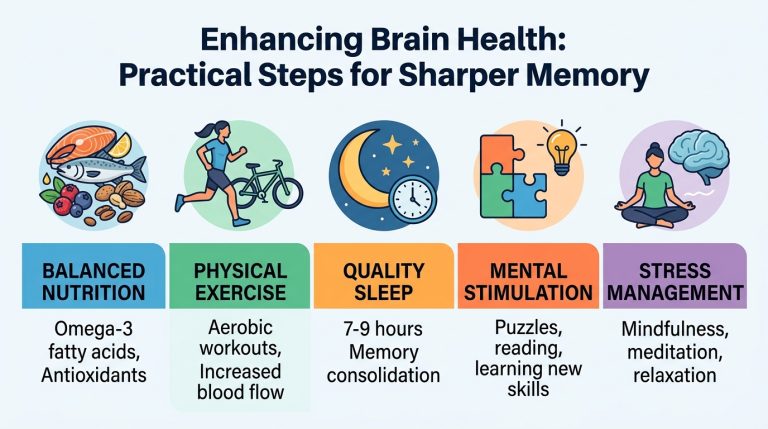

Recent scientific studies have confirmed that regular cardiovascular exercise significantly enhances memory and learning abilities across all age groups. This development offers new insights into how physical activity directly impacts brain health globally, suggesting a practical way to boost mental sharpness through aerobic routines.
Recent Research on Cognitive Benefits
Researchers worldwide are actively exploring the precise mechanisms behind these cognitive improvements. The findings strongly suggest that incorporating aerobic routines into daily life can be a practical method to boost mental sharpness for individuals across all age groups.
How Aerobic Exercise Boosts Brain Function
Aerobic exercise, also known as cardio, helps the brain in multiple ways. It increases blood flow to the brain, delivering more oxygen and vital nutrients crucial for optimal brain performance and cell health.
Studies indicate that cardio can promote the growth of new brain cells in the hippocampus, a brain region essential for memory and learning. Exercise also stimulates the release of brain-derived neurotrophic factor (BDNF), a protein that supports the survival and growth of neurons.
Beyond these direct effects, physical activity helps reduce inflammation and stress, both factors that can negatively impact cognitive abilities. Regular workouts also improve sleep quality, which is vital for memory consolidation.
Expert Views on Cognitive Enhancement
Experts in neuroscience and public health widely acknowledge the link between physical activity and brain health. They emphasize that consistent moderate-intensity aerobic exercise is key, including activities like brisk walking, cycling, swimming, or dancing.
Medical professionals often recommend physical activity as a non-pharmacological approach to support cognitive function. They stress that even small, regular efforts can yield significant benefits, contributing to preventative health strategies worldwide.
Broader Health Benefits of Regular Exercise
The benefits of cardio extend far beyond just memory and learning. Regular physical activity is critical for maintaining overall physical health, helping manage body weight and reducing the risk of chronic diseases like diabetes and heart conditions.
Exercise also plays a vital role in improving mood and reducing symptoms of anxiety and depression. It can boost energy levels and enhance sleep patterns, contributing to a better quality of life and increased productivity.
India’s Public Health Relevance
For India, these research findings hold significant importance. The country faces a growing burden of non-communicable diseases (NCDs), partly due to increasingly sedentary lifestyles, making the promotion of aerobic exercise crucial for public health.
Government initiatives like the Fit India Movement aim to encourage active lifestyles. Integrating scientific evidence on cognitive benefits can strengthen these campaigns, directly impacting educational outcomes for students and productivity in the workforce.
With an aging population, cognitive decline and dementia are emerging concerns. Lifestyle interventions such as regular cardio could play a crucial role in maintaining cognitive health for millions of older Indians, potentially reducing healthcare costs and improving societal well-being.
Practical Recommendations for Brain Health
To leverage these benefits, health guidelines typically recommend at least 150 minutes of moderate-intensity aerobic activity per week. This can be spread across different days, for example, 30 minutes of brisk walking five times a week.
Even shorter bursts of activity, such as 10-minute walks, can contribute to overall goals. The key is consistency and finding enjoyable activities to ensure long-term adherence; consulting a doctor before starting new routines is always advisable.
The growing body of research consistently points to aerobic exercise as a potent tool for enhancing cognitive functions like memory and learning. Understanding these benefits can help individuals and policymakers prioritize physical activity for better brain health and overall well-being.