Smart mirrors, a new category of digital devices, are integrating display technology into reflective surfaces for everyday use. These devices combine utility and convenience, becoming a part of smart home environments globally.
Understanding Smart Mirror Functionality
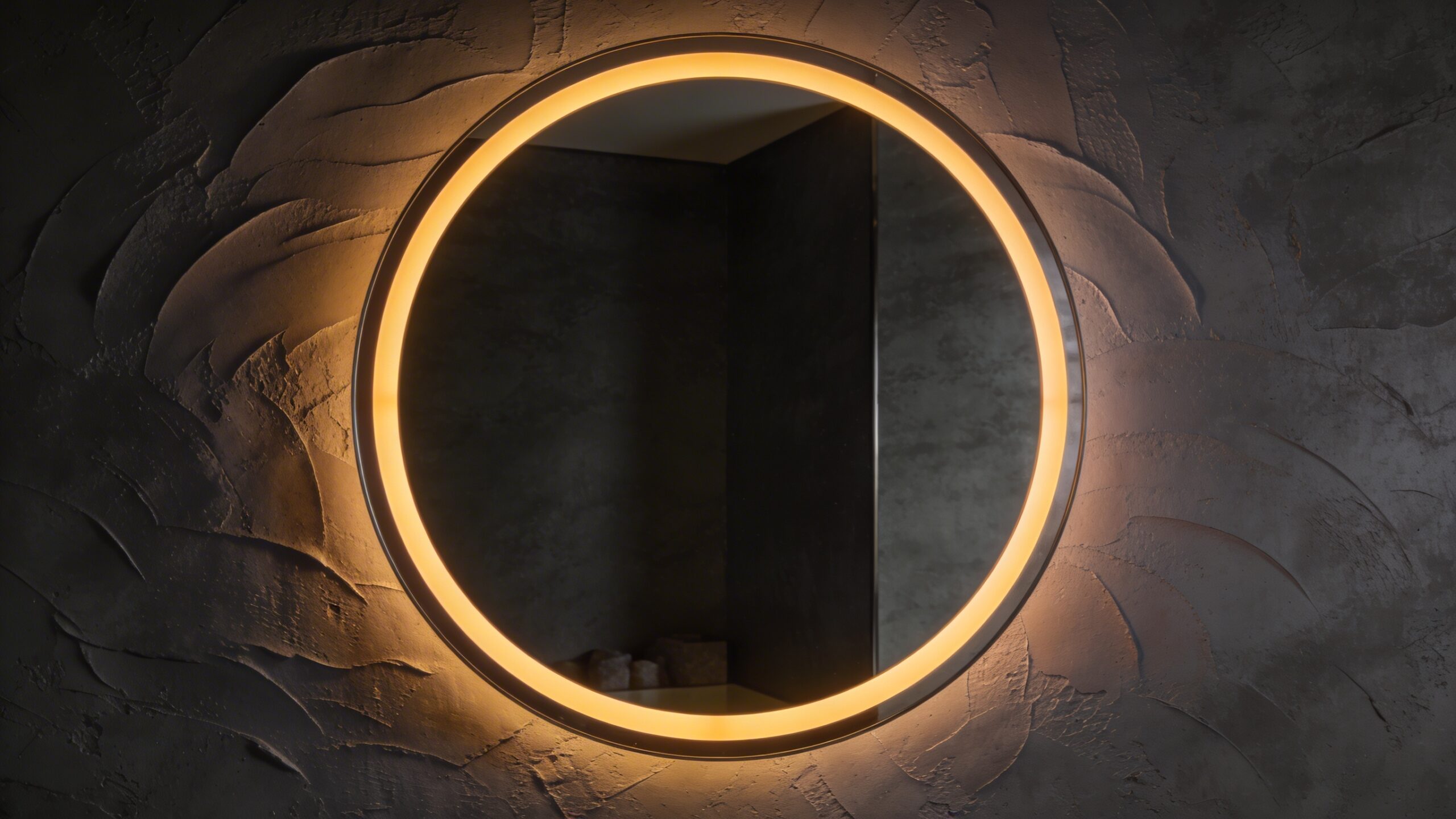
A smart mirror looks like a regular mirror but includes a hidden screen. This screen can display various real-time information, such as weather updates, news headlines, and traffic conditions.
Many smart mirrors connect to a home’s Wi-Fi network, linking with other smart devices like calendars or music streaming services. Some models offer touch controls, voice commands, or even gesture recognition.
Key Features and Capabilities
These mirrors often integrate with virtual assistants, such as Alexa or Google Assistant. This allows users to control smart home devices directly from the mirror, managing schedules or playing music using voice commands.
Advanced smart mirrors feature built-in cameras and sensors. These can be used for fitness tracking, offering workout guidance or analyzing posture. Some retail versions provide virtual try-on experiences for clothing and accessories.
Users can customize the information displayed on the mirror’s interface. This personalization allows individuals to choose data most relevant to their daily routine, from stock market updates to family reminders.
Market Evolution and Growth Trends
The concept of smart mirrors has roots in early 2000s DIY projects, using two-way glass and basic computing. Commercial products began to appear more widely in the mid-2010s, aligning with the rise of the Internet of Things (IoT).
The global smart mirror market is experiencing significant growth, valued at several billion US dollars. Experts forecast a Compound Annual Growth Rate (CAGR) of 15-20% over the next few years.
This growth is driven by increasing demand for smart home solutions and advanced display technologies. Major companies like Panasonic, Samsung, and LG, alongside several startups, are developing new smart mirror products.
Smart Mirrors: Potential in India
India represents a large and growing market for smart home technology. As disposable incomes rise and digital adoption increases, smart mirrors could find a significant consumer base, though affordability will be a key factor for widespread acceptance across different economic segments.
The potential for smart mirrors extends beyond homes in India. They could be adopted in retail stores for enhanced shopping experiences, in hospitality for guest convenience, or in fitness centers and healthcare facilities for specialized applications.
For Indian consumers, data privacy and security will be important considerations as these devices collect personal information; robust data protection measures are essential. Local manufacturing and assembly of smart mirrors could support the Make in India initiative, potentially reducing import costs and boosting domestic production.
The Future of Smart Mirror Technology
Smart mirrors continue to evolve with new technological advancements. Future versions may offer even deeper integration with artificial intelligence and more sophisticated sensors, leading to more intuitive and proactive assistance in daily life.
As production scales up and technology becomes more refined, prices are expected to become more accessible. This will likely drive broader consumer adoption globally, including in emerging markets like India, with a focus on enhancing convenience, connectivity, and personalization for users.