Introduction
Scientists globally are exploring groundbreaking technologies to dynamically alter the visual appearance of common objects. This ongoing research aims to enable items such as clothing, bags, and interior surfaces to change their designs on demand. The concept represents a significant leap in material science and display technology, envisioning a future with dynamic visual changes.
Envisioning Programmable Surfaces
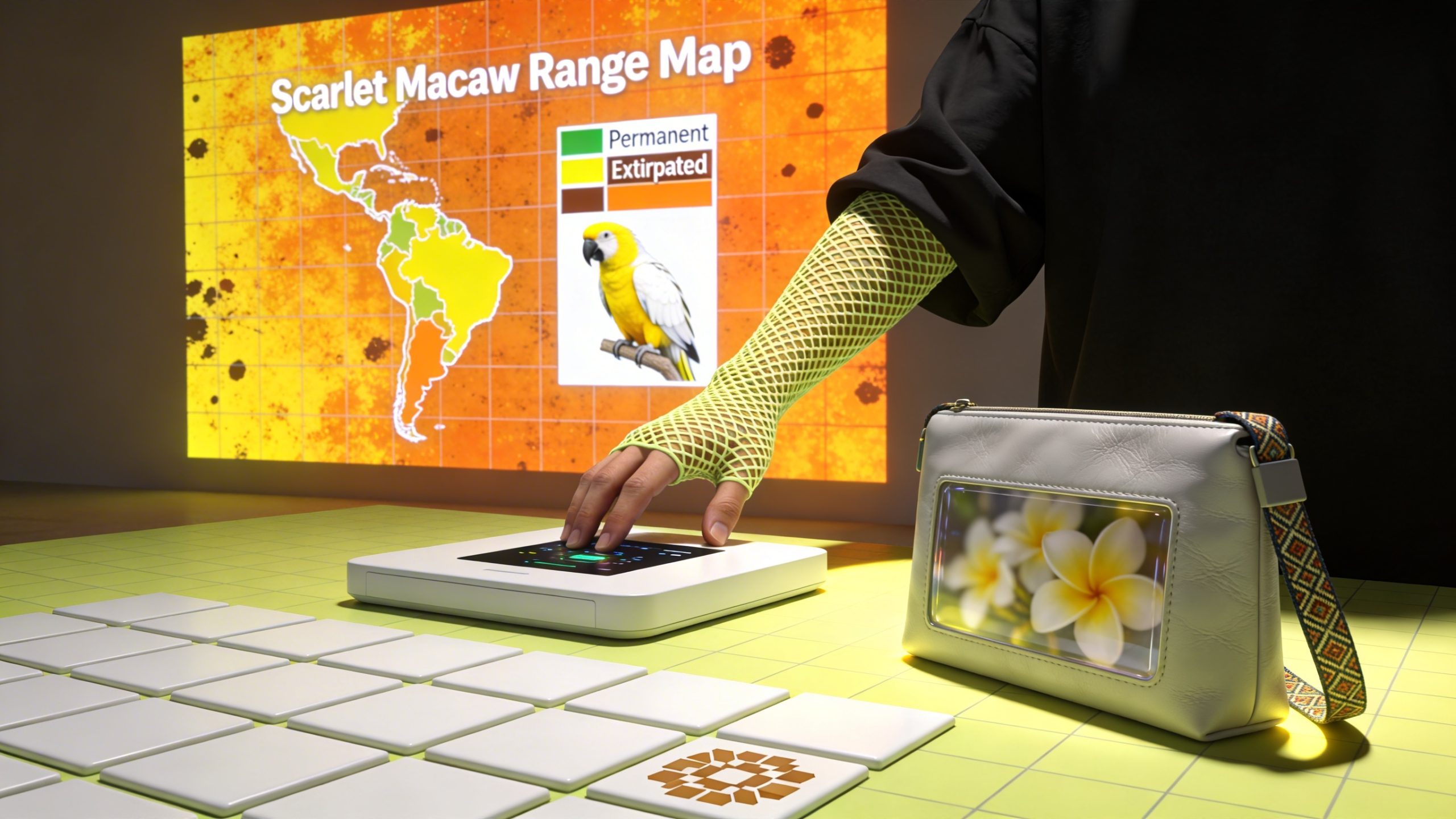
The core idea involves making surfaces reconfigurable. Imagine a shirt or a handbag whose pattern could transform instantly. Walls in a home might display different artworks or textures with a simple command.
This vision moves beyond static designs. It suggests a future where personal items and living spaces become highly adaptable. Users could customize their surroundings and belongings to match their mood or current trends.
How This Technology Could Emerge
The development of such dynamic surfaces relies on several advanced scientific fields. These include smart materials, flexible electronics, and innovative optical technologies. One approach involves materials that can change color or pattern when stimulated by electricity or light.
Researchers are exploring electrochromic materials, which alter their light absorption properties under an electric current. Another area is micro-LED arrays integrated into flexible substrates. These tiny lights could form high-resolution dynamic images on various surfaces. Advances in metamaterials also show promise, allowing precise control over how light interacts with a surface, enabling programmable visual effects.
Potential for Everyday Life and Industry
The implications of this technology stretch across various sectors. In fashion, it could lead to truly customizable apparel and accessories, reducing the need for constant new purchases. This might also help address textile waste.
For interior design, dynamic walls could replace traditional wallpapers and paint, offering endless aesthetic possibilities. Retail and advertising could also benefit from programmable displays integrated directly into product packaging or store environments. This could create more interactive and engaging consumer experiences.
Global Research and Development Landscape
This vision is a long-term goal for numerous research institutions worldwide. Universities and private companies are investing in fundamental science. They are working on flexible electronics, new chemical compounds for smart inks, and energy-efficient display technologies.
Key challenges include achieving high resolution, ensuring durability, and making these systems affordable and scalable. Energy consumption is another significant factor, especially for items intended for everyday use.
Impact on Indian Innovation and Markets
India, with its vast textile manufacturing base and rapidly growing consumer electronics market, stands to gain from advancements in this field. Indian designers and manufacturers could integrate dynamic surfaces into traditional garments, home furnishings, and modern consumer goods.
This technology could spur new startups focusing on smart textiles and programmable interiors. It could also enhance India’s position in global innovation, attracting investment in advanced material science and manufacturing. The domestic market, with its diverse cultural preferences, presents a unique opportunity for customizable products, potentially creating new industries and job opportunities for thousands of skilled workers.
The Road Ahead
While the concept of dynamically changing object appearances is still in its early stages, ongoing research promises significant breakthroughs. Scientists continue to refine the underlying technologies to make this vision a practical reality. Future developments will focus on improving material properties, reducing costs, and ensuring the environmental sustainability of these innovative surfaces.