
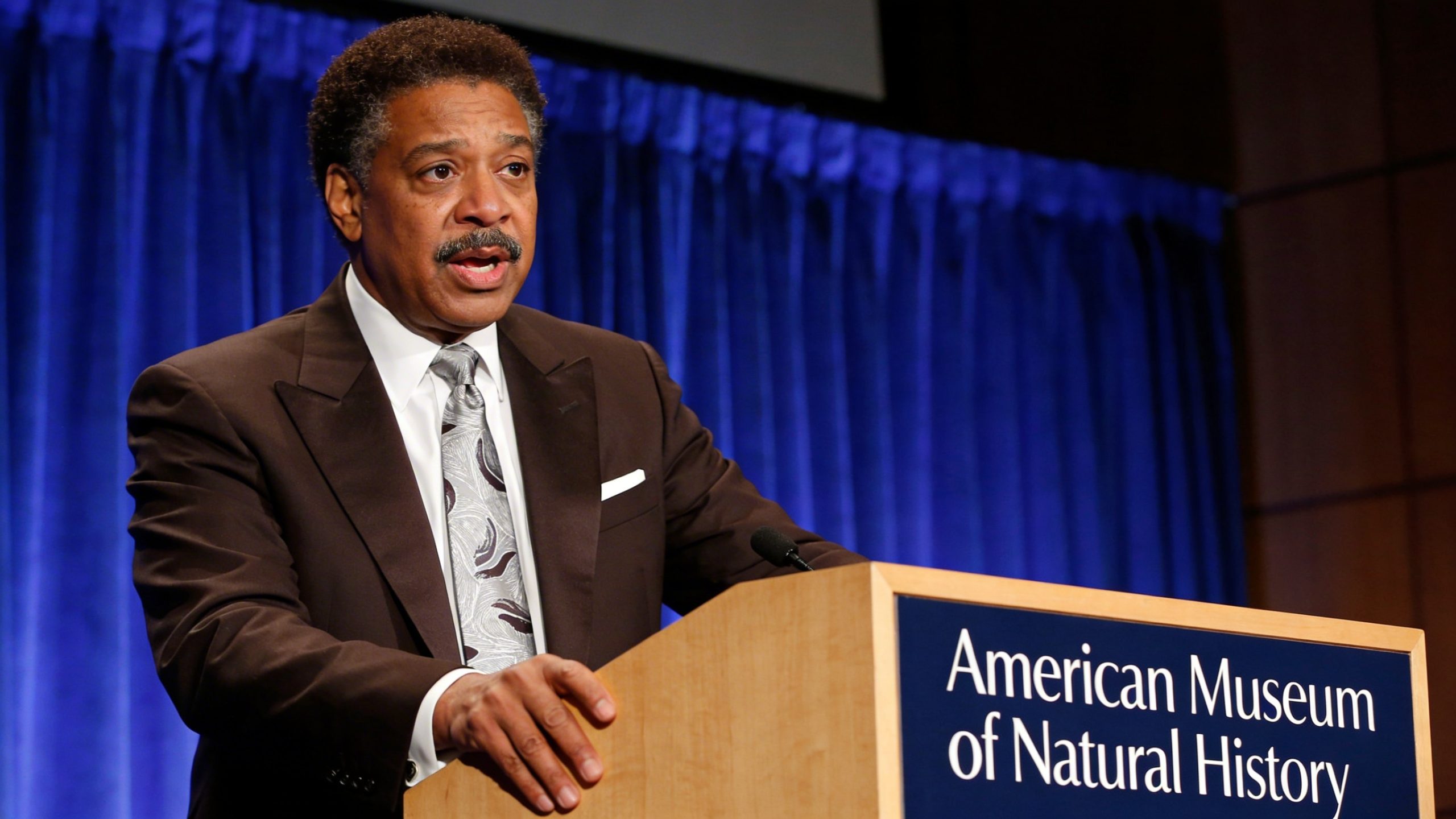
Astrophysicist Neil deGrasse Tyson on Superintelligent AI
Renowned astrophysicist and science communicator Neil deGrasse Tyson recently shared his perspective on the rapid global competition to develop advanced artificial intelligence. He likened the current race for superintelligent AI to the Cold War period. Tyson projected that by 2030, AI will be significantly more integrated into daily life.
His comparison highlights a high-stakes scenario reminiscent of past geopolitical rivalries. The focus is on AI that could transcend human intelligence, raising questions about control and global power dynamics. This view underscores the urgency and potential impact of current AI advancements.
The Accelerating Global Race for Advanced AI
The development of Artificial Intelligence is progressing at an unprecedented pace worldwide. Major technology companies and nations are heavily investing in AI research and innovation. This includes advancements in large language models and generative AI, which are changing how people interact with technology and information.
Many experts are now discussing the emergence of Artificial General Intelligence (AGI), which refers to AI capable of understanding and learning any intellectual task that a human being can. Beyond AGI lies the concept of superintelligent AI, which would surpass human intelligence across virtually all cognitive tasks. The pursuit of this level of AI is driving significant competition.
Echoes of the Cold War Analogy
Tyson’s analogy to the Cold War points to several key concerns. Firstly, it highlights the potential for a technological arms race, where countries and corporations compete intensely to be the first to develop and control superior AI. This competition could lead to secrecy, limiting open research and collaboration.
Secondly, the comparison brings up geopolitical implications. Just as nuclear power was a defining force during the Cold War, control over advanced AI could reshape global influence and power balances. Concerns also arise about the ethical challenges and safety risks associated with such powerful technology, prompting calls for careful regulation.
Global Regulatory Efforts and Ethical Debates
Governments and international bodies are increasingly discussing the need for AI governance and regulation. The European Union has taken a significant step with its AI Act, aiming to establish rules for AI systems based on their risk level. Other nations, including the United States, are also exploring various policy frameworks to guide AI development responsibly.
The global dialogue centers on ensuring AI systems are developed ethically, transparently, and safely. Key areas of concern include data privacy, algorithmic bias, and the potential misuse of powerful AI. There is a growing consensus on the importance of international cooperation to address these complex issues effectively.
India’s Strategic Focus on Responsible AI
India is rapidly emerging as a significant player in the global AI landscape. The country’s digital public infrastructure and large talent pool provide a strong foundation for AI adoption and innovation. The Indian government has articulated a vision for “AI for All,” emphasizing responsible and inclusive AI development for public good.
Investment in AI startups and research is growing, with a focus on areas like healthcare, agriculture, and governance. India’s strategy aims to leverage AI to boost economic growth and improve citizen services while also addressing concerns about data protection and ethical usage. The country actively participates in global discussions on AI governance, promoting a balanced approach to innovation and regulation.
The Path Ahead for AI Development
As the conversation around advanced AI intensifies, the timeline for superintelligent AI remains a subject of ongoing debate among experts. Some foresee significant breakthroughs within the next decade, while others predict a longer development period. Regardless of the exact timeline, the implications of powerful AI are profound.
The journey forward will likely involve a blend of rapid technological progress, careful ethical consideration, and global policy development. Continuous dialogue among scientists, policymakers, and the public is crucial to navigate the challenges and harness the benefits of artificial intelligence responsibly for humanity.