New Directive for PNG Users
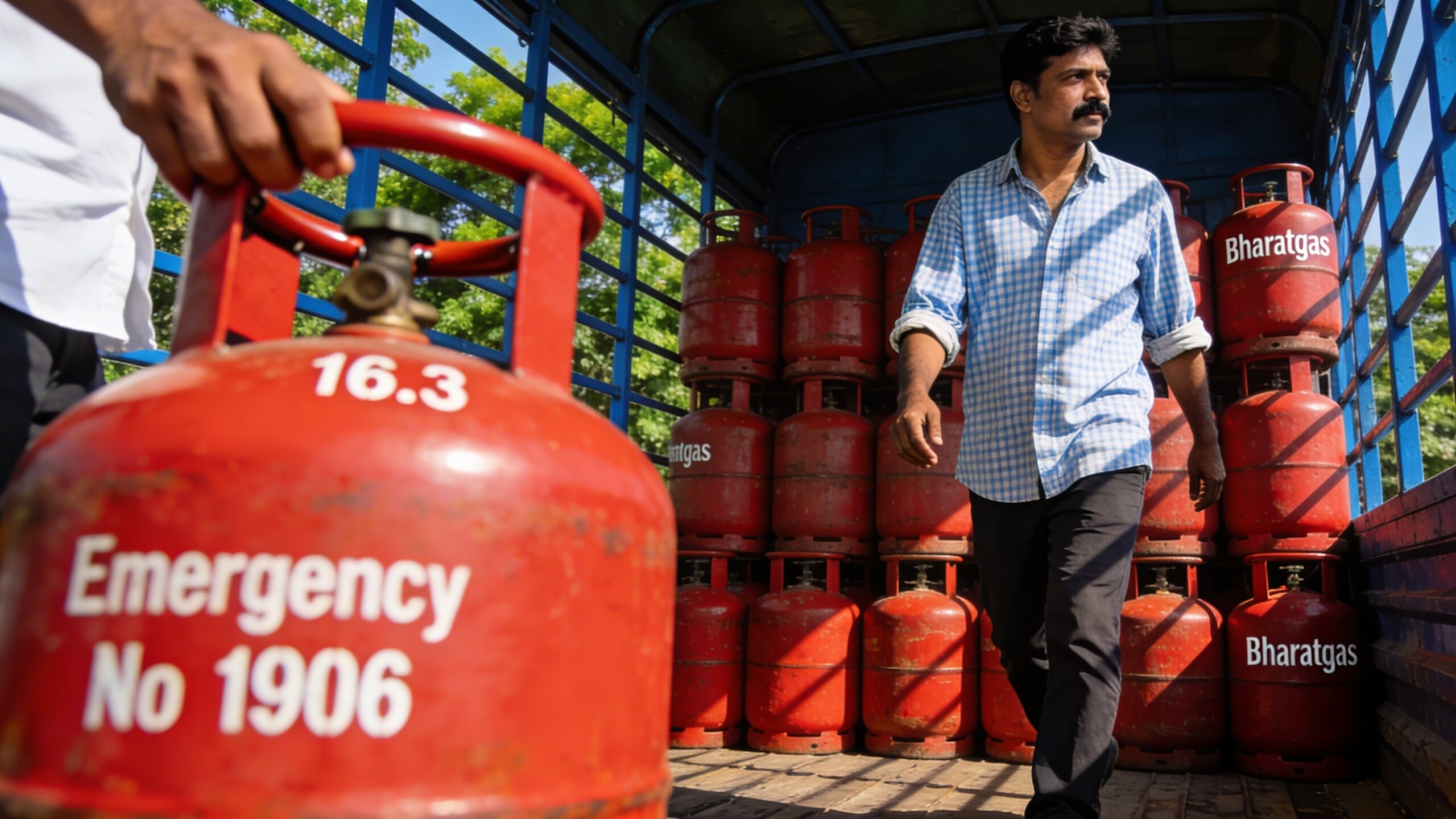
The Indian government has issued a new directive, effective from Saturday, March 14, 2026. This policy mandates that consumers with Piped Natural Gas (PNG) connections must discontinue their Liquefied Petroleum Gas (LPG) connections. The aim is to ensure a stable supply of LPG for domestic households that rely solely on cylinders.
This decision comes amid concerns over the impact on energy imports. Geopolitical tensions, particularly in West Asia, have raised fears about disruptions to the supply chain. The government seeks to optimize the availability of subsidized LPG for those without alternative fuel sources.
Implementation of the Policy
Under the new mandate, households that have already installed a PNG connection will no longer be allowed to retain or refill their existing LPG cylinders. This applies to all types of domestic LPG connections, including subsidized and non-subsidized ones.
Oil marketing companies will implement this directive. They are expected to outline a clear process for PNG users to surrender their LPG connections. This may involve specific timelines and procedures for de-registration and cylinder collection.
Rationale: Securing Domestic LPG Supply
A primary reason for this policy is India’s high dependency on LPG imports. A significant portion of the country’s LPG demand is met through shipments from abroad. Disruptions in international markets, especially from major oil-producing regions, can directly affect domestic availability and prices.
By asking PNG users to transition fully, the government aims to free up millions of LPG cylinders. This ensures that a greater volume of LPG is available for households in areas where PNG infrastructure is not yet established. It targets households that continue to rely solely on LPG for their cooking needs.
India’s Energy Landscape and Import Dependency
India is a major global consumer of energy, and its energy security is a key policy focus. The nation imports over half of its LPG requirement. Global events, such as conflicts or supply chain bottlenecks, can have a direct impact on the Indian economy and consumer prices.
The move to rationalize LPG usage by promoting PNG aligns with India’s broader energy transition goals. Expanding City Gas Distribution (CGD) networks for PNG is a strategic objective. This helps in reducing reliance on imported fuels and providing cleaner energy options to urban and semi-urban populations.
This policy could help reduce the overall import bill for LPG, saving precious foreign exchange. While exact figures are not yet clear, even a marginal reduction in LPG imports can represent several hundreds of crores of rupees in savings for the national exchequer, especially when global prices are volatile.
Impact on Households
For Indian households, this mandate means a clear bifurcation of cooking fuel options. Those in areas with PNG access will be encouraged to fully adopt it. This could lead to a more predictable supply and potentially lower costs for piped gas compared to cylinder refills.
Consumers currently using both PNG and LPG will need to make arrangements to surrender their LPG connections by the specified date. Information campaigns from oil companies and local gas distributors are expected to guide consumers through this transition process. The government’s goal is to ensure that essential cooking fuel remains accessible to all citizens.
Next Steps and Compliance
The government is expected to issue detailed guidelines regarding the implementation of this new mandate. Oil marketing companies will communicate the procedures to their customers. Compliance will be a key focus to ensure the smooth transition for affected households across the country.
This step underscores the government’s commitment to energy security and efficient resource allocation. It aims to stabilize domestic LPG supply, especially for the most vulnerable consumers, by optimizing existing infrastructure and encouraging cleaner piped fuel alternatives.