
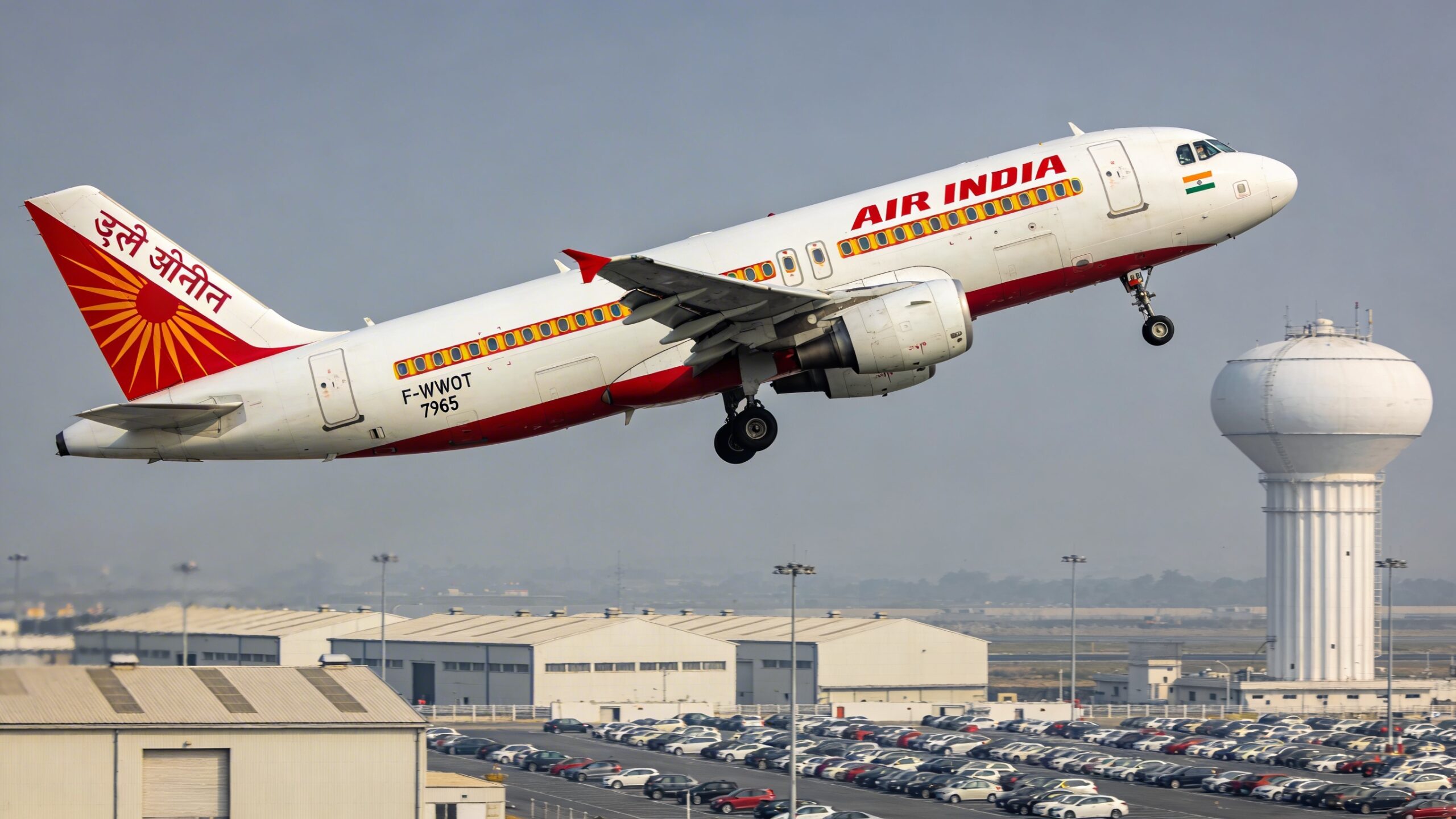
**Air India** will soon implement a fuel surcharge across its network, affecting both domestic and international flight tickets. The airline plans a phased introduction to cover rising operational costs linked to increasing fuel prices.
Understanding Rising Jet Fuel Prices
Jet fuel, also known as **Aviation Turbine Fuel (ATF)**, prices have seen a significant increase recently. This rise is primarily due to volatility in global crude oil markets. Geopolitical tensions in the Middle East are a major factor contributing to this instability.
Events like conflicts in the region and disruptions to shipping routes, such as those in the **Red Sea**, affect global oil supply and demand. Such situations often push crude oil prices upwards. Since India imports a large portion of its crude oil, these international price hikes directly impact local jet fuel costs.
Impact on Air Travel Expenses
The introduction of a fuel surcharge directly adds to the cost of an airline ticket. This means passengers will pay more for their journeys. Historically, airlines frequently adjust fares based on the fluctuating price of jet fuel.
Fuel costs form a substantial part of an airline’s operating expenses, often accounting for **30 to 40 percent**. When these costs rise sharply, airlines often pass a portion of the increase to customers to maintain financial stability. Other Indian carriers might also consider similar measures if fuel prices remain high.
Economic Implications for India
Higher global crude oil prices have several significant economic implications for India. As a major oil importer, the country faces an increased import bill. This can worsen India’s current account deficit.
Rising fuel costs also contribute to inflationary pressures across various sectors. This impacts everyday consumer prices and business operations. A higher oil import bill can also put downward pressure on the **Indian Rupee** against the **US Dollar**, making all imports more expensive.
For the aviation sector, increased operating costs can dampen demand for air travel if ticket prices become too high. This could affect the growth trajectory of the Indian aviation market.
Aviation Sector’s Response to Challenges
The aviation industry is highly sensitive to fuel price fluctuations. Airlines constantly balance operational efficiency with passenger affordability. Implementing a fuel surcharge is a common strategy used by airlines worldwide to manage volatile fuel expenses.
Previous periods of high crude oil prices have also seen airlines introduce or reintroduce such surcharges. This measure allows them to recover a portion of the unexpected increase in fuel costs. It helps ensure the continued viability of flight operations.
What Lies Ahead for Passengers
With Air India’s decision, passengers booking flights should prepare for potentially higher travel expenses. The phased introduction means the full impact may be felt over time.
The overall cost of air travel will largely depend on the future direction of global crude oil prices. If these prices remain elevated or rise further, passengers can expect flight tickets to continue to reflect these increased costs.