
Major economies globally, including India, the United States, Canada, Mexico, China, the United Kingdom, France, and Germany, are currently experiencing significant increases in travel and hospitality costs. This trend affects sectors such as air travel, hotel stays, and broader tourism services.
Consumers worldwide are feeling the pinch of rising expenses. The rebound in travel demand after the pandemic has met various supply-side challenges, including increased operational costs for businesses. These factors are impacting overall price levels across the industry.
Rising Costs Driven by Crude Oil Prices
A key factor contributing to this widespread inflation is the elevated cost of crude oil. Oil is a fundamental input for aviation fuel, transportation, and various manufacturing processes. When crude oil prices are high, airlines face higher operational expenses for jet fuel, which directly translates to increased air ticket prices for passengers.
Beyond air travel, higher fuel costs affect ground transportation, logistics, and the supply chains for hotels and other tourism businesses. The ripple effect of expensive oil pushes up costs for food, amenities, and services, contributing to overall inflation in the hospitality sector.
Geopolitical Factors and Oil Market Volatility
Geopolitical developments play a significant role in global oil market volatility. Tensions in key oil-producing regions and around critical shipping routes influence crude oil prices. One such vital waterway is the Strait of Hormuz.
This narrow strait links the Persian Gulf with the open ocean, with a large portion of the world’s seaborne crude oil passing through it daily. Any threats or instability in this strategic chokepoint can cause oil prices to surge due to concerns about supply disruptions. Past incidents and ongoing geopolitical risks in the region contribute to market uncertainty, pushing up a risk premium on crude oil and affecting global prices.
Economic Impact on India
India is one of the world’s largest importers of crude oil, fulfilling over 85% of its requirements through imports. This makes the Indian economy highly sensitive to global oil price fluctuations. Rising international crude prices worsen India’s current account deficit, which is the difference between money flowing in and out of the country for trade in goods and services.
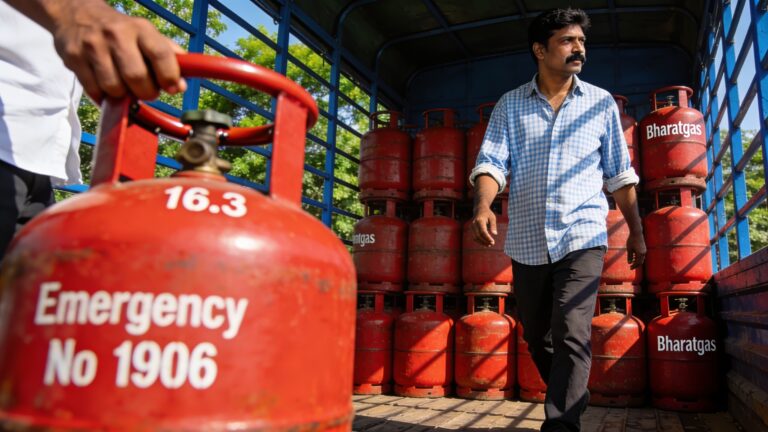
High oil prices also fuel domestic inflation, increasing the cost of petrol, diesel, and cooking gas for Indian consumers. Transport costs for goods and people also rise, impacting everything from food prices to manufacturing expenses. Furthermore, the value of the Indian Rupee often weakens against the US Dollar when oil prices are high, making imports even more expensive for the country.
Global Responses and Future Outlook
Governments and central banks globally are closely monitoring inflation trends. Many central banks have raised interest rates to control rising prices. These measures aim to cool down economies and bring inflation back to target levels, though balancing inflation control with economic growth remains a challenge.
The travel and tourism sectors are adapting to these new economic realities. Businesses are looking for efficiencies and considering innovative solutions. The outlook for global oil prices remains uncertain, influenced by geopolitical events, supply-demand dynamics, and policy decisions by major oil producers. Managing global inflation in these industries requires continuous monitoring and flexible policy responses from nations to ensure stability and growth amidst complex economic landscapes.