Growing Concern Over Distracted Driving in India
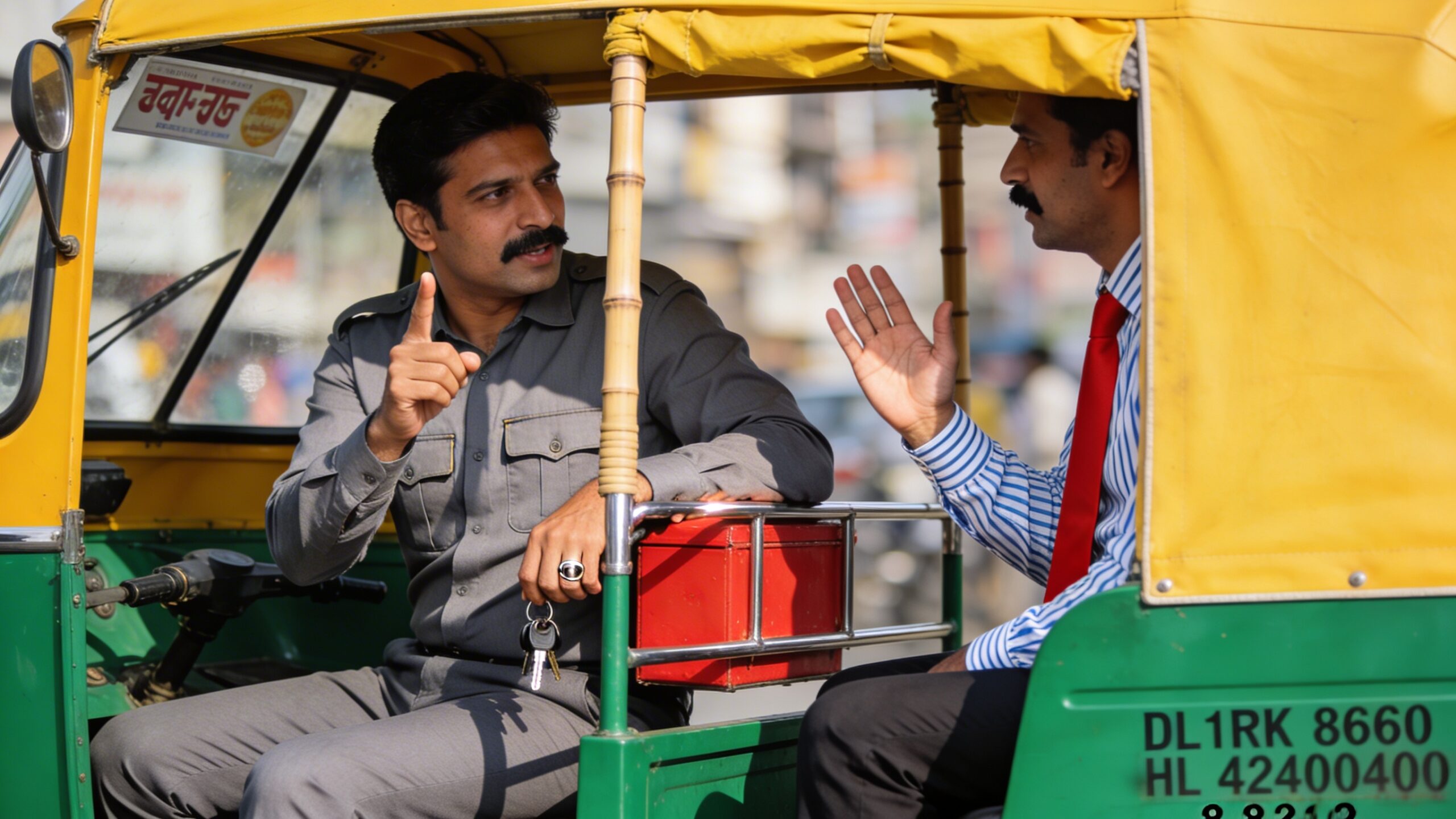
Automotive engineer Manasa Manjunath recently highlighted concerns in Bengaluru about widespread mobile phone use by auto-rickshaw drivers. Her observations, made over a week, point to a larger issue of distracted driving common across Indian cities.
Manjunath observed drivers frequently engrossed in phone calls or activities, often missing turns or reacting slowly. This personal insight reflects a significant public safety concern experienced daily by many commuters. The problem extends beyond auto-rickshaws to include various public and private transport.
Legal Framework Against Mobile Phone Use While Driving
Indian law strictly prohibits mobile phone use while driving. The Motor Vehicles Amendment Act 2019 updated earlier regulations to address this issue. Section 184 of the Act specifically covers dangerous driving, which includes using a handheld communication device.
Violators face substantial penalties under these laws. A first-time offense can incur a fine of up to ₹5,000. Repeat offenses carry even stiffer fines and potential license suspension, aiming to deter risky driving behavior.
Impact on Road Safety and Commuter Experience
Distracted driving significantly contributes to road accidents in India. Official data from the Ministry of Road Transport and Highways consistently shows that driver distraction, including mobile phone use, leads to numerous crashes, injuries, and fatalities annually. These incidents place a heavy burden on public health services and the economy.
For passengers, particularly in dense urban areas like Bengaluru, distracted drivers pose a direct threat. Commuters often report feeling unsafe when drivers are not fully attentive to the road. This reduces trust in public transport services and affects the overall quality of daily commutes.
The Dual Role of Smartphones for Drivers
Smartphones have become essential tools for many drivers, especially those in the gig economy. Auto-rickshaw and taxi drivers rely on mobile apps for navigation, accepting ride requests, and processing payments. This technological integration, while efficient, blurs the line between work-related phone use and personal distraction.
The challenge lies in managing phone use effectively. Drivers need to access necessary apps without compromising road safety. While hands-free devices offer a partial solution, cognitive distraction from conversations or app interactions can still affect driving focus.
Addressing Enforcement and Awareness
Combating distracted driving requires a multi-pronged approach. Stronger enforcement by traffic police is crucial to ensure compliance with existing laws. Regular checks and penalties can act as deterrents, especially in high-traffic zones.
Public awareness campaigns are also vital. These campaigns can educate drivers and the general public about the dangers of using phones while driving. Highlighting legal consequences and the human cost of accidents can encourage safer driving habits nationwide.
Enhancing Road Safety in India
The concern raised by the Bengaluru engineer underscores an ongoing societal challenge. Authorities, transport unions, and technology providers need to collaborate. This includes exploring technological solutions for safer navigation and communication for drivers. Continued public education and consistent enforcement of traffic laws are essential next steps to enhance road safety for everyone in India.